.jpg)
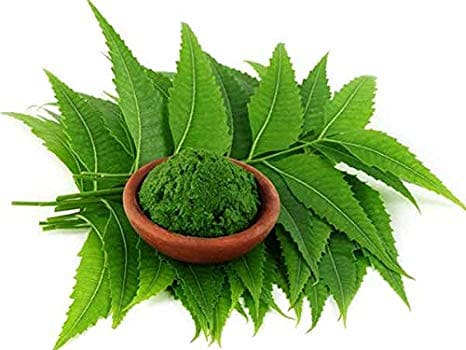
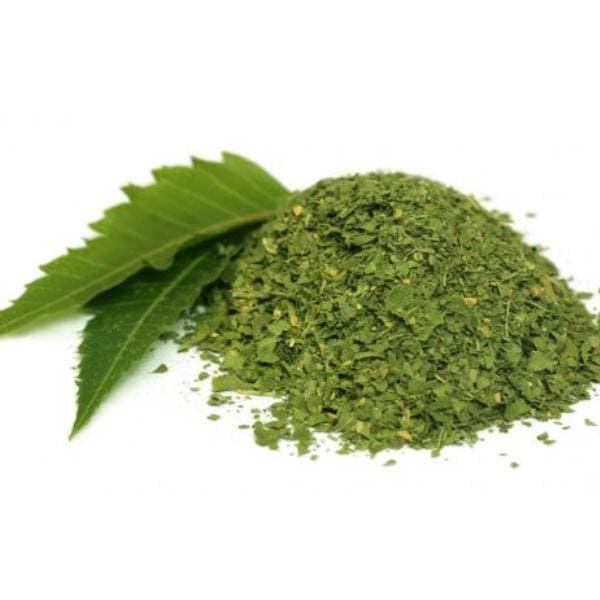
For generations, Azadirachta indica, commonly known as Neem, has been valued for its strong presence in cultural traditions and natural practices. In modern times, Neem continues to gain global attention for its adaptability, multifunctional nature, and wide use across wellness-inspired products, personal care formulations, and various natural applications.
The Neem Tree: Traditional Significance
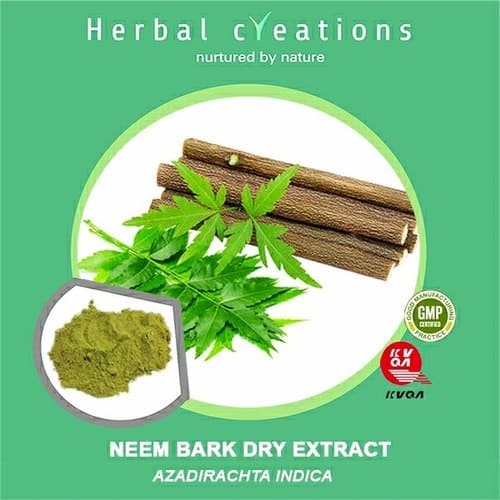
Azadirachta indica, a tree native to the Indian subcontinent, is often called the "wonder tree" or "village tree" in many traditions. Every part of Neem — leaves, bark, seeds, and oil — contains naturally occurring compounds like azadirachtin, quercetin, and limonoids, which contribute to its longstanding use in Ayurveda and folk customs.
Traditional References and Interest
- Neem is a familiar part of daily routines, personal care, and traditional practices in many cultures.
- It is used for a variety of purposes, from natural beauty care to household and garden applications.
- The plant’s twigs have been traditionally used for oral hygiene, and Neem’s distinctive aroma and properties are valued in several settings.
- Neem is often part of preparations for textile care and natural product blends.
- Scientists continue to explore Neem’s unique components to better understand their relevance across industries.
Note:* These are not claims; kindly study and verify before processing
Liquid Extracts
Best Selling
.jpg)
Oil Soluble Extracts
Best Selling

Herbal Extracts
Best Selling